 Es
Es 

How Do Industrial Belts and Synchronous Belt Systems Improve Transmission Efficiency
In modern industrial machinery, industrial belts play a critical role in power transmission, speed control, and synchronized motion. Industries such as manufacturing, packaging, automation, logistics, food processing, textile production, and material handling rely heavily on efficient transmission systems. As equipment performance requirements continue to increase, belt drive, industrial drive belts, synchronous belt, and transmission belt solutions have become essential components in maintaining operational efficiency and equipment reliability.
The Importance of Industrial Belts in Industrial Equipment
Industrial belts are designed to transfer power between rotating shafts while maintaining smooth and stable operation. Compared with rigid transmission systems, industrial belts provide flexibility, vibration absorption, lower noise levels, and reduced maintenance requirements.
Many industrial applications utilize industrial belts to improve machine performance and reduce mechanical wear. Their ability to accommodate long center distances and varying load conditions makes them suitable for a wide range of equipment.
Common applications include:
- Automated production lines
- Packaging machinery
- Printing equipment
- Woodworking machinery
- Textile machines
- Conveyor systems
- Food processing equipment
- Pharmaceutical machinery
Equipment engineers often select different types of industrial belts according to operating speed, torque requirements, load characteristics, and environmental conditions.
Working Principles of Belt Drive Systems
A belt drive system transmits mechanical power through a belt operating between two or more pulleys. Depending on the design, power transfer occurs through friction or positive engagement.
The main components of a belt drive system include:
| Component | Function |
| Driving Pulley | Provides input power |
| Driven Pulley | Receives output power |
| Belt | Transfers mechanical energy |
| Tensioning Device | Maintains proper belt tension |
| Support Structure | Ensures stable operation |
When the driving pulley rotates, the belt moves along the pulley surfaces and transfers power to the driven pulley. This mechanism enables efficient power transmission across various industrial applications.
Advantages of belt drive systems include:
- Simple mechanical structure
- Easy installation and maintenance
- Low operating noise
- Excellent vibration damping capability
- Suitable for long center distances
- Cost-effective operation
Applications requiring high positioning accuracy frequently utilize a synchronous belt instead of conventional friction-driven belt systems.
Main Categories of Industrial Drive Belts
Industrial drive belts are available in several designs, each optimized for specific operating conditions.
V-Belts
V-shaped industrial drive belts use wedge action within pulley grooves to transmit power through friction.
Key characteristics include:
- High power transmission capacity
- Good anti-slip performance
- Wide application range
- Economical operating costs
Common applications include:
- Fans
- Air compressors
- Water pumps
- Agricultural machinery
Ribbed Belts
Ribbed industrial drive belts combine the flexibility of flat belts with the grip of V-belts.
Benefits include:
- High flexibility
- Efficient power transmission
- Suitable for small pulley diameters
- Smooth operation at high speeds
Flat Belts
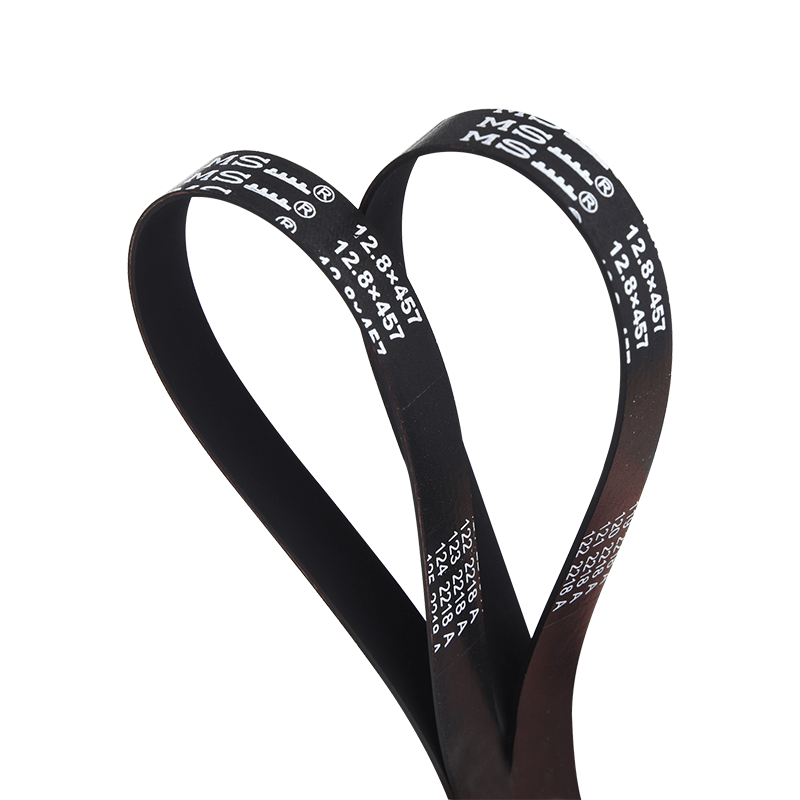
Flat industrial drive belts are designed for high-speed applications requiring smooth operation.
Features include:
- High-speed capability
- Stable performance
- Low vibration levels
Typical applications include printing equipment, textile machinery, and conveyor systems.
Synchronous Belt
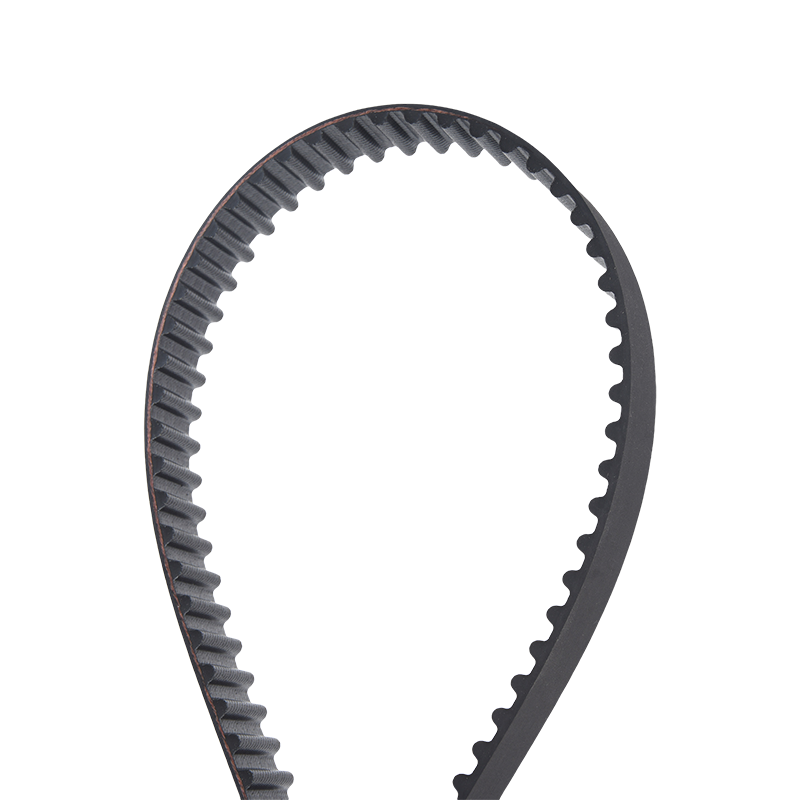
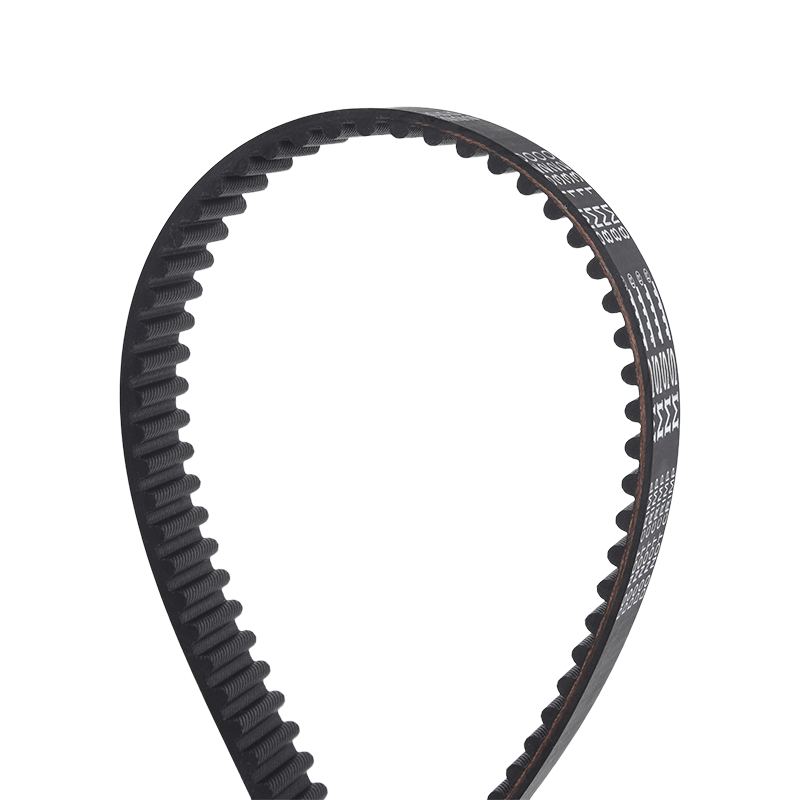
A synchronous belt utilizes precision-molded teeth that engage directly with matching pulley grooves. This positive engagement eliminates slippage and ensures accurate motion transfer.
Major advantages include:
- No slippage during operation
- Precise transmission ratio
- High positioning accuracy
- Excellent transmission efficiency
Automation systems frequently depend on synchronous belt technology to achieve consistent and repeatable motion control.
Technical Advantages of Synchronous Belt Systems
The increasing demand for precision automation has significantly expanded the use of synchronous belt systems in industrial applications.
Conventional transmission belt designs rely on friction between the belt and pulley surfaces. Under certain conditions, slippage may occur, reducing efficiency and positioning accuracy.
A synchronous belt eliminates this issue through positive tooth engagement, ensuring a constant transmission ratio throughout operation.
| Parameter | Synchronous Belt | Conventional Transmission Belt |
| Slippage | No | Possible |
| Transmission Accuracy | High | Moderate |
| Positioning Capability | Excellent | Standard |
| Efficiency | 95% - 98% | 90% - 95% |
| Maintenance Frequency | Lower | Higher |
| Synchronization Performance | Excellent | Moderate |
Applications such as CNC equipment, robotic systems, automated assembly lines, and precision manufacturing equipment benefit significantly from synchronous belt technology.
Key Factors When Selecting a Transmission Belt
Selecting the proper transmission belt is essential for maximizing equipment performance and service life.
Power Requirements
The belt must be capable of handling the required operating load and power output.
An undersized transmission belt may result in:
- Excessive wear
- Slippage
- Increased operating temperature
- Reduced service life
Operating Speed
Different transmission belt designs are optimized for specific speed ranges.
High-speed applications require consideration of:
- Centrifugal force effects
- Dynamic balance
- Heat dissipation capability
Environmental Conditions
Industrial operating environments can significantly influence belt performance.
Important factors include:
- Temperature range
- Humidity levels
- Dust exposure
- Oil contamination
- Chemical resistance requirements
Tension Management
Proper belt tension is critical for maintaining reliable belt drive operation.
Excessive tension may cause:
- Increased bearing loads
- Premature belt aging
Insufficient tension may lead to:
- Slippage
- Reduced efficiency
- Higher vibration levels
Correct tension adjustment contributes directly to longer service life for industrial drive belts.
Common Industrial Belts Failures and Solutions
Belt Slippage
Common causes include:
- Insufficient tension
- Excessive load
- Pulley wear
Recommended corrective actions:
- Adjust belt tension
- Verify load conditions
- Replace worn pulleys
Abnormal Belt Wear
Typical causes include:
- Pulley misalignment
- Installation errors
- Contaminated operating conditions
Recommended corrective actions:
- Realign pulleys
- Improve installation accuracy
- Maintain equipment cleanliness
Increased Operating Noise
Possible causes include:
- Improper tension
- Belt aging
- Damaged pulleys
Recommended corrective actions:
- Adjust tension settings
- Replace worn industrial drive belts
- Inspect pulley conditions
Tooth Damage in Synchronous Belt Systems
Tooth wear or failure is typically associated with:
- Overloading
- Improper pulley engagement
- Foreign material intrusion
Recommended corrective actions:
- Reduce operating load
- Correct pulley alignment
- Perform routine inspections
Maintenance Requirements for Belt Drive Systems
Regular maintenance is essential for ensuring long-term reliability of belt drive systems.
Routine inspection procedures include:
- Checking for surface cracks
- Inspecting tooth condition on synchronous belt systems
- Verifying proper tension levels
- Monitoring pulley wear
- Inspecting shaft alignment
- Monitoring operating temperatures
Consistent maintenance practices help extend the service life of industrial belts, reduce equipment downtime, and improve overall transmission efficiency.
Modern industrial machinery depends heavily on reliable power transmission technologies. Industrial belts continue to serve as critical components in belt drive systems across numerous industries. Whether utilizing conventional industrial drive belts for general power transmission or implementing synchronous belt solutions for precision motion control, proper belt selection, accurate installation, and effective maintenance remain essential for achieving stable performance, improved efficiency, and long-term operational reliability.
Productos calientes
-
 Ver más
-
 Ver más
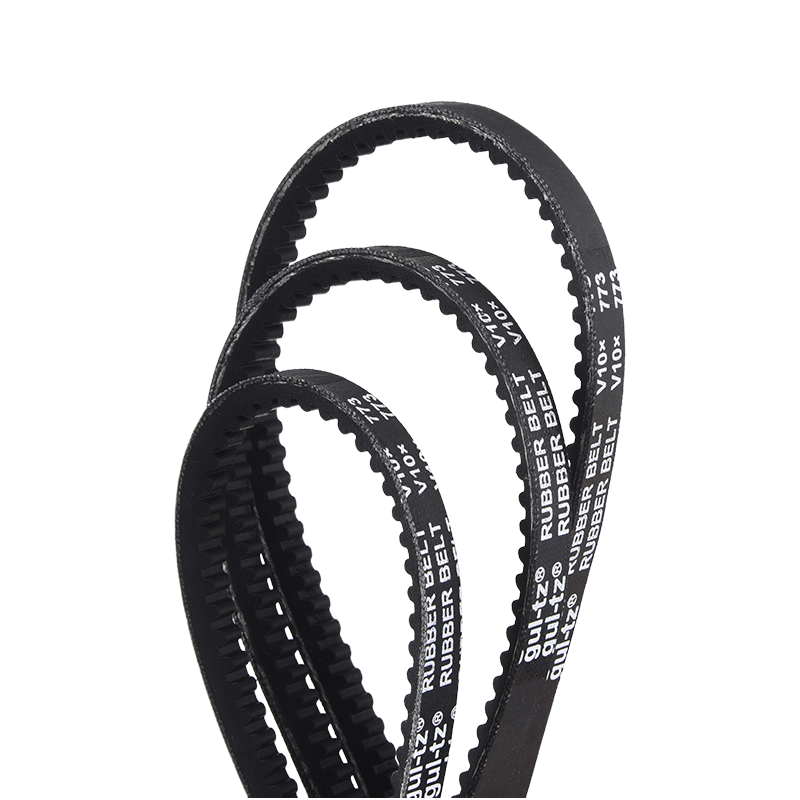
Correa trapezoidal para la industria
-
 Ver más
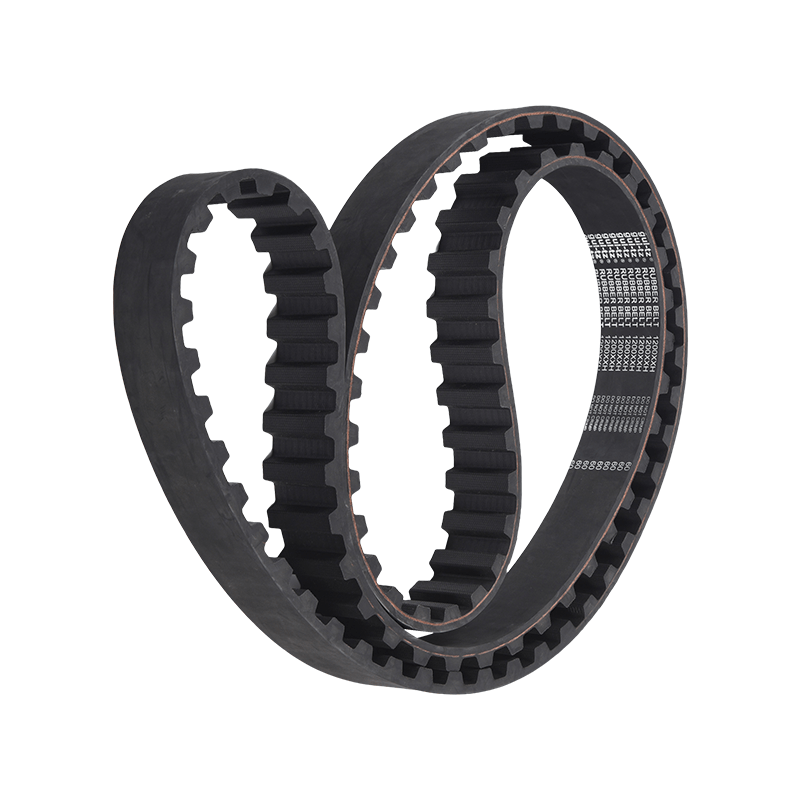
Correa síncrona de caucho industrial tipo T
-
 Ver más
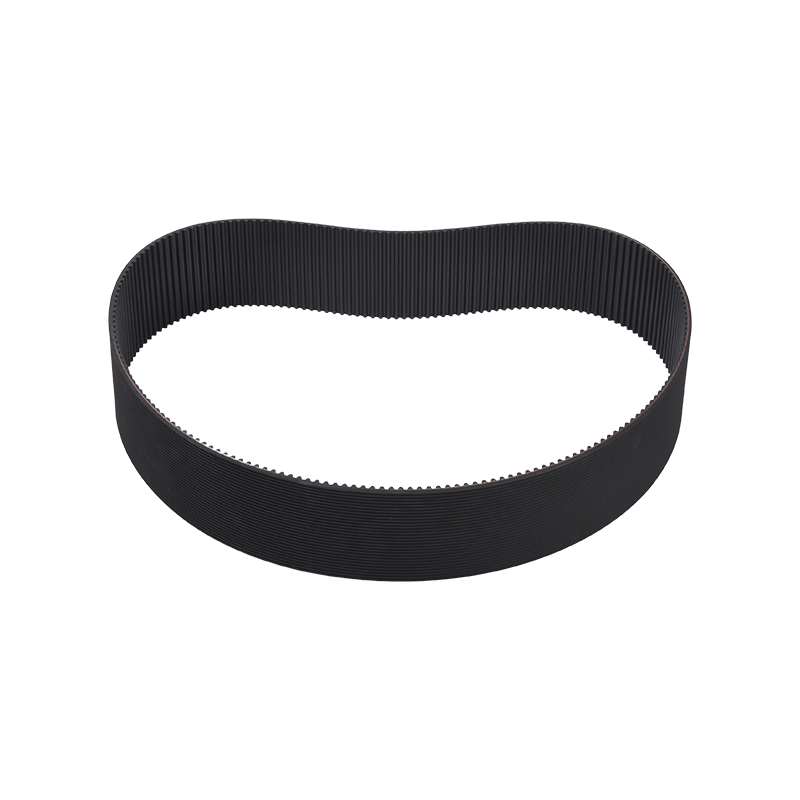
Correa dentada en forma de cuña
-
 Ver más
Correa de distribución engrosada
-
 Ver más
Correa de distribución abierta
-
 Ver más
Correa trapezoidal para automoción
-
 Ver más
Correa plana de goma
-
 Ver más
Cinturón acanalado
-
 Ver más
Polea síncrona
-
 Ver más
Correa síncrona de caucho industrial con dientes de arco
-
Ver más
Correa de distribución automotriz

¿Tiene alguna pregunta? ¡No dudes en contactar!
 Tel: +86-0574-62498188 62497298
 Fax: +86-0574-62497297
 E-mail:
  Add: No. 65, Middle Jinniu Road, ciudad de Moushan, ciudad de Yuyao, provincia de Zhejiang, China
Copyright © Ningbo GUL TZ Rubber Belt Co., Ltd. All rights reserved.

